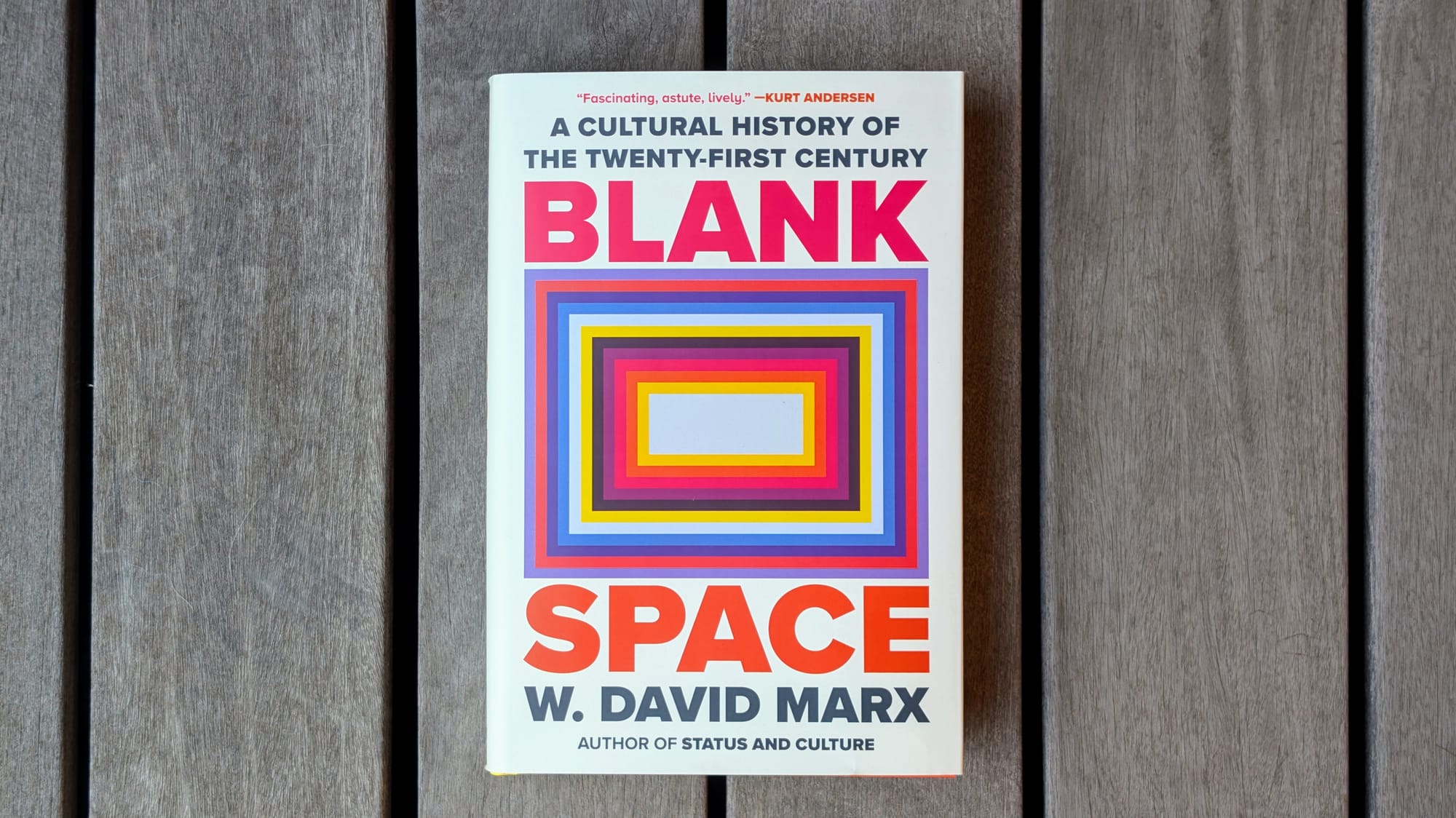
Andrew McClintock: There's something about your Pearl Jam reference in the intro to Blank Space—their mindset of being so anti-sellout…and then like connecting that to how DJ D-Sol was playing on the same Lollapalooza stage thirty years later. I feel like that sums up where we are as a society, culturally.
W. David Marx: You know, in thinking about the twenty-first century, this book is more or less the first full cultural history of those twenty-five years…just because everyone else has been smarter not to try to write it, but trying to think about what was an anecdote that summarized the value shift in those twenty-five years.
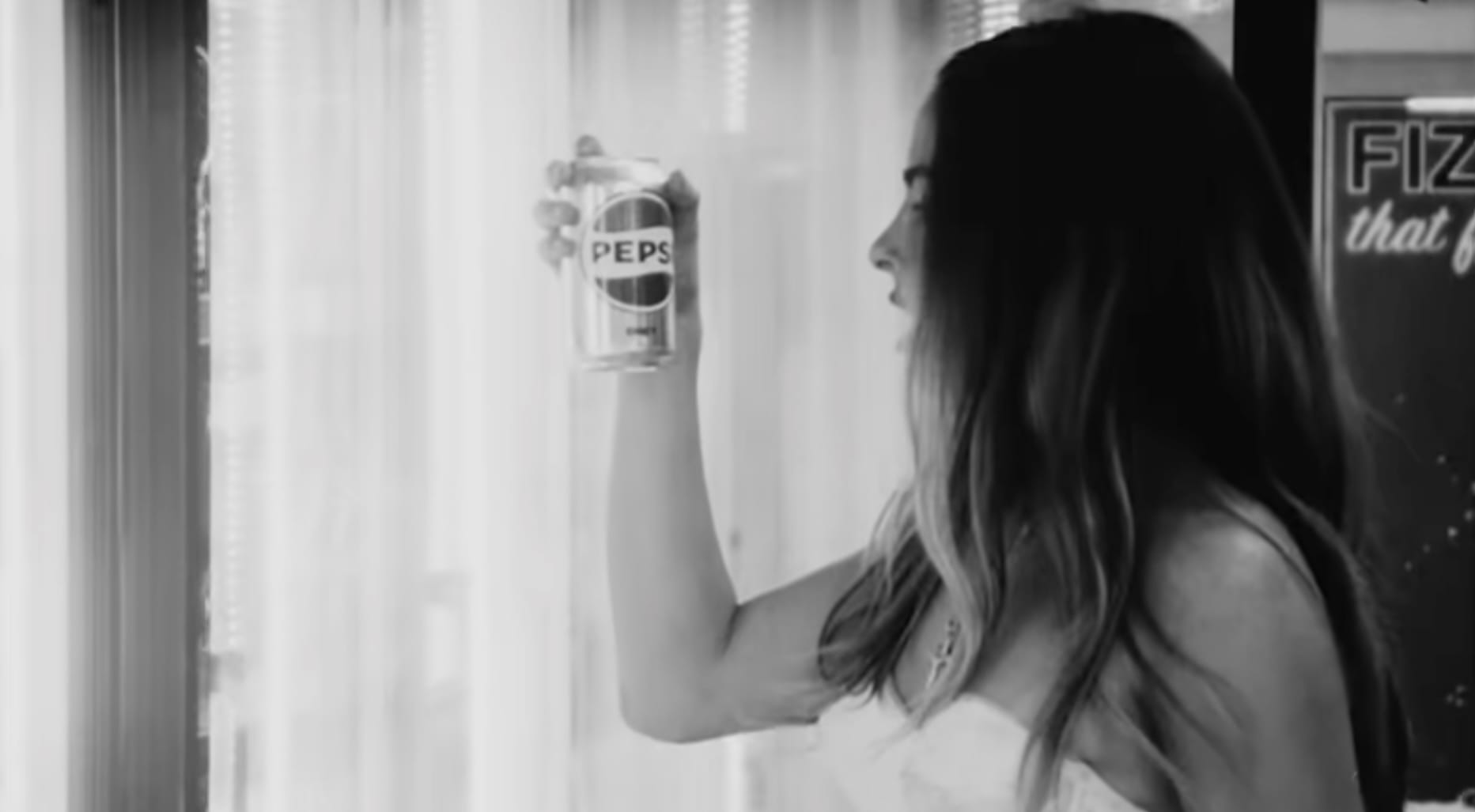
I don't start with Pearl Jam because Pearl Jam is the greatest band […] but when I was reading Chuck Klosterman's The Nineties, I was reminded that they decided to never make music videos again after "Jeremy," their third single, got too big. And I just thought that's such an alien concept for today. And I also have been making fun of the idea that the Goldman Sachs CEO David Solomon spinning at Lollapalooza for years on Twitter because I just think it's also this incredibly representative event. […] But no one even cared because culture is so commercialized and fragmented.


[Left] W. David Marx. Author of Blank Space. [Right] Eddie Vedder, Pinkpop Festival, 1992. Courtesy of the internet.
Andrew McClintock: Thinking about how subcultures exist these days […] it's more like fragmentation of culture instead of a subculture?
W. David Marx: I mean, subcultures, the term is very ambiguous. And if you go back and think about what it really meant in the seventies, when the Birmingham School was doing all this analysis of Teddy Boys and mods, those groups were very explicitly working-class and they're very much marginalized delinquent teenagers who created their own value systems and those value systems were often in opposition to whatever was going on in the mainstream. […] Then later in the nineties, subcultural became a word for alternative, like skaters in a subculture. […] The commercial element of subcultures has been with us for quite a long time, which is that you buy specific consumer goods and then subculture just means consumer segments.
Andrew McClintock: A lot of the interviews that I've been doing for Culture Slop have ended up circling around this issue of taste. What is your current working definition of taste?
W. David Marx: I still get so much my information from X and Bluesky and I saw the taste debate among all the VCs and tech people and I don't know what the fuck they're talking about. I don't. And I literally wrote an entire book about taste.
Kyle Chayka just wrote a story trying to figure it out. And even he was just like, I think this is just trying to put this word over a thing, but it's not really the same concept. Taste used to mean a faculty of appreciation with the idea that there were things in the world that were good taste and somebody who had taste could understand and appreciate the things with good taste. […] Taste just kind of means your ability to choose in order to build an identity. And so from that perspective, the thing that I think about a lot because it's now used as such in the context of commerce in general rather than anything about human spirituality or the human experience, it's all about if a company should have taste. Taste is the new moat […] it's all this business jargon. From that perspective, I don't understand it. People with the best taste very rarely are actually that popular and a company with good taste is a niche company.
A company with great taste is a tastemaker's taste making company. The more you move up in taste the smaller your audience is. The bad, the biggest companies in the world succeed because they have no taste. The more taste you have the more marginal you become because that's the way taste is distributed in society will always be distributed in society.
Taste always was about knowledge. It's about refinement. It's about some sort of originality within a set of parameters. And to have taste means you know more than other people and that you have a goal like one kind of sensibility you're working towards that you're trying to flesh out and create an aesthetic representation of that feeling.
Andrew McClintock: How did we get from Pearl Jam to figures like Andrew Tate as this stand-in to help guide the youth?
W. David Marx: The analysis until now said, "Here's the economic structural reasons. Here are the technological reasons for why things have changed." Those are both incredibly important—you can't write anything without first starting there. But there's a third part of how we got here which was an ideological one and a cultural one in that culture inherently has its own dynamics based off of culture, which I was trying to show with Status and Culture too, which is that culture is the product of human relations. The difference in culture is often cultivated in a competition between people.
The problem with the nineties was a bunch of liberal culture that we all, for a long time, felt was being suppressed and oppressed—which was inclusivity, feminism pushing back against patriarchy, pushing back about big companies crushing independents—all these things suddenly actually succeeded in the nineties and you also had a center-left government that was successful. That really did change how people felt about the world and what their values were. […] And then you had the rise of the internet, where people could really connect on these small levels. You had this sense of promise. But the problem is that you then hit the 2000s and a bunch of new people show up and they wanted to create space for themselves and they had to have an opposition to that.
In the past, you could always oppose racism and sexism and patriarchy because they were the dominant things that you felt in society. And you could complain about how bad TV was because TV was terrible. But then if TV's not as bad anymore and music's not as bad and movies aren't as bad and the government's not as bad…then what? It shifted everybody to think about, "Oh, we got to oppose these things." And so the opposition became: "We're opposed to these snobby indie critics, therefore you get Poptimism. And then you get Vice, which is like: "We're against Lilith Fair feminism" and so we're going to bring back the transgressiveness of being a bigot. Vice gets kind of tied with all this because of Gavin McInnes, but there was something transgressive and culturally strong about pushing back against political correctness.
Andrew McClintock: Right. And you call it the counter-counterculture.
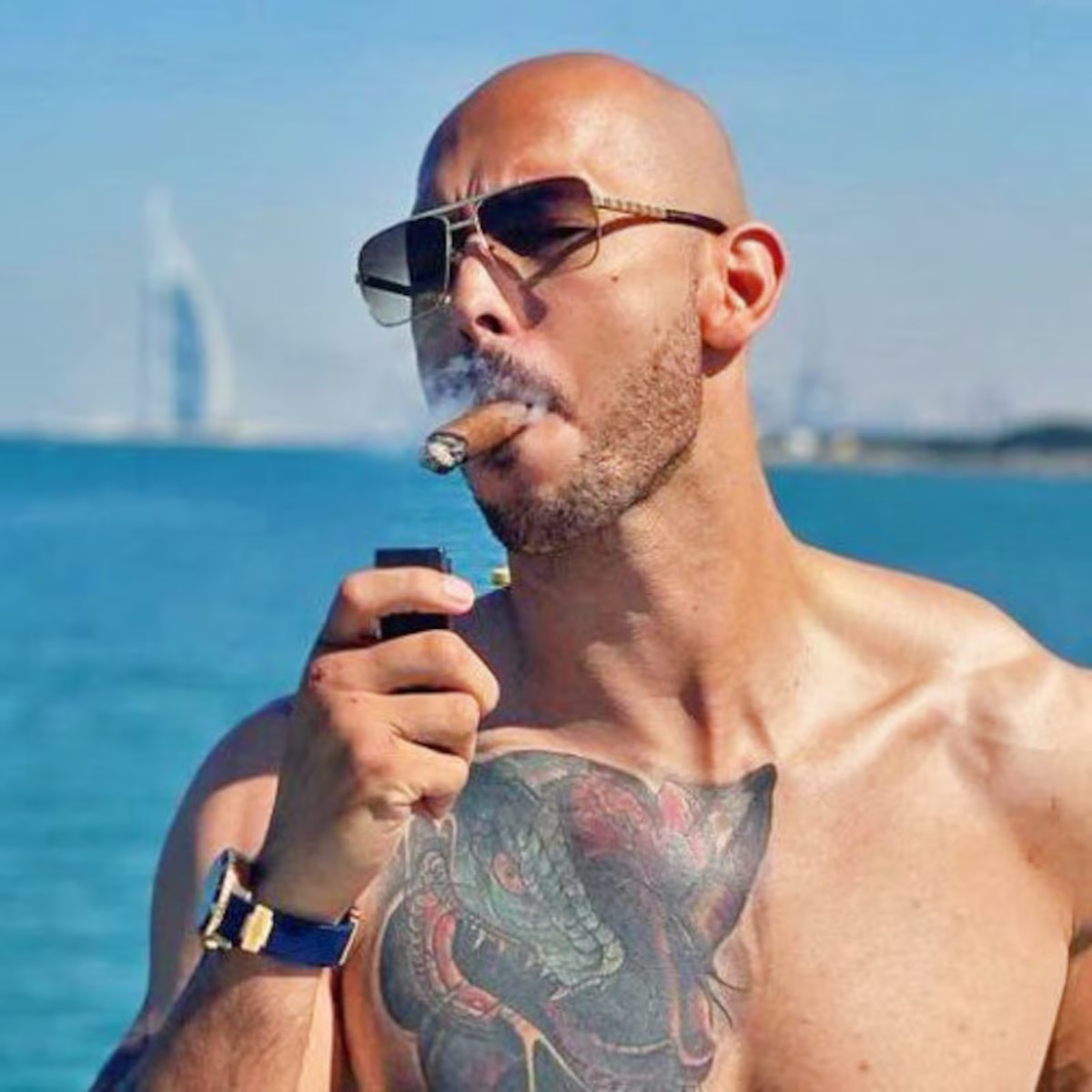
W. David Marx: Andrew Tate is at the end point of that ideological shift. He's part of the manosphere, which then aligns with canceled celebrities, barstool conservatives…there's lots of different parts of this counter-counterculture but they're all generally unified by, "We believe that liberal inclusivity is the oppressive hegemonic force in society and we have to fight against it." […] The internet then legitimized everything they were doing, and this is perhaps something that we're loath to admit, but we believe that everything on the internet is equally valuable as culture. When culture is very hard to make, you mostly get culture from the people who care about the formal properties of that culture. That is no longer true.