Katherine Frazer: Rhizome has a big anniversary this year. How do you feel about it, and how did you become affiliated with the organization?
Michael Connor: Rhizome is thirty years old, which is a really, really crazy age for a digital art organization. We've already been through so many different versions of the computer and the internet at this point, to hold all of that lore...It goes deep.
I've been a member, a subscriber, a contributor, writer. I joined the staff in 2013 as editor and curator and later was artistic director, and now director. I think each stage of that journey has really brought a lot of new lessons for me, especially the latest one.
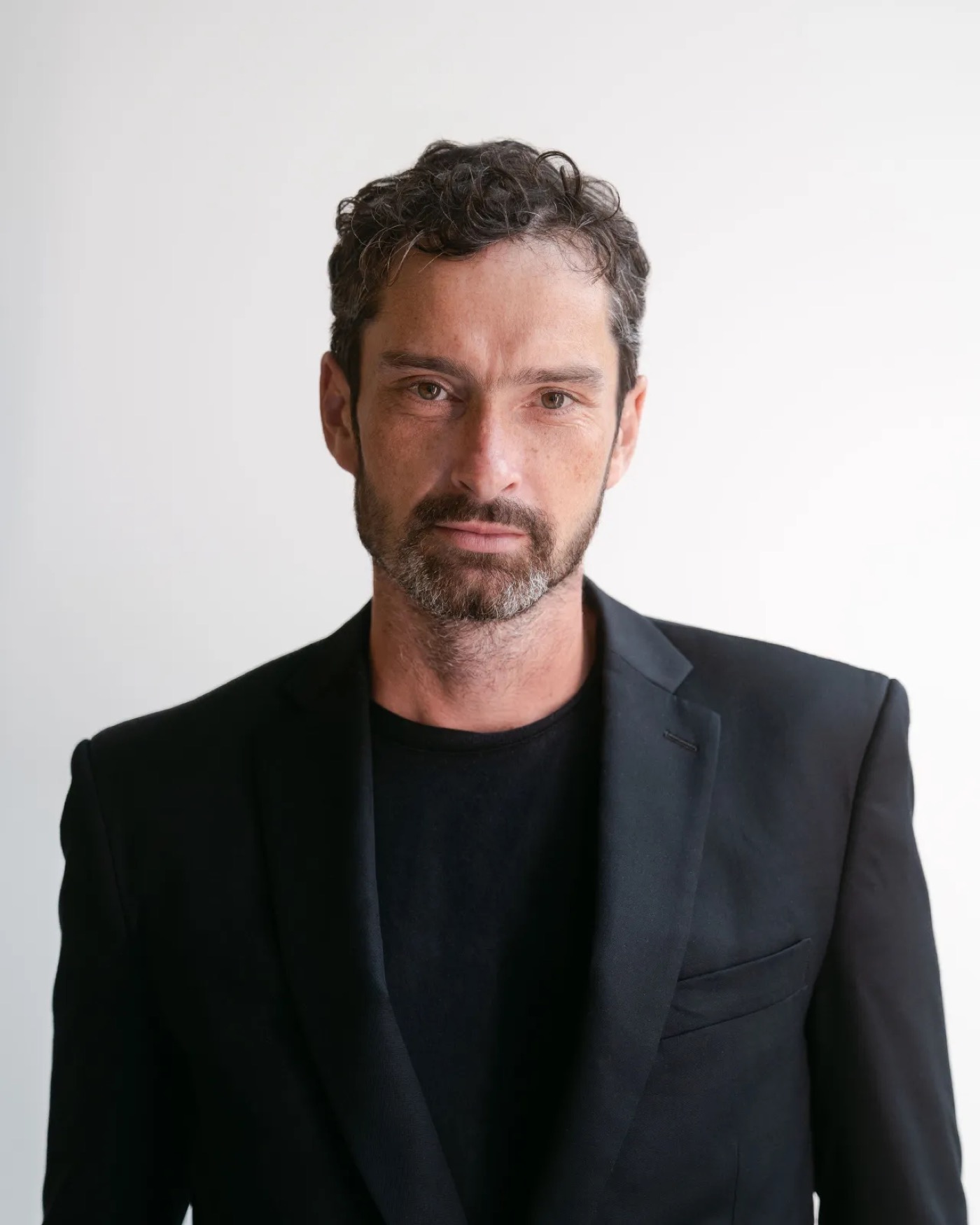
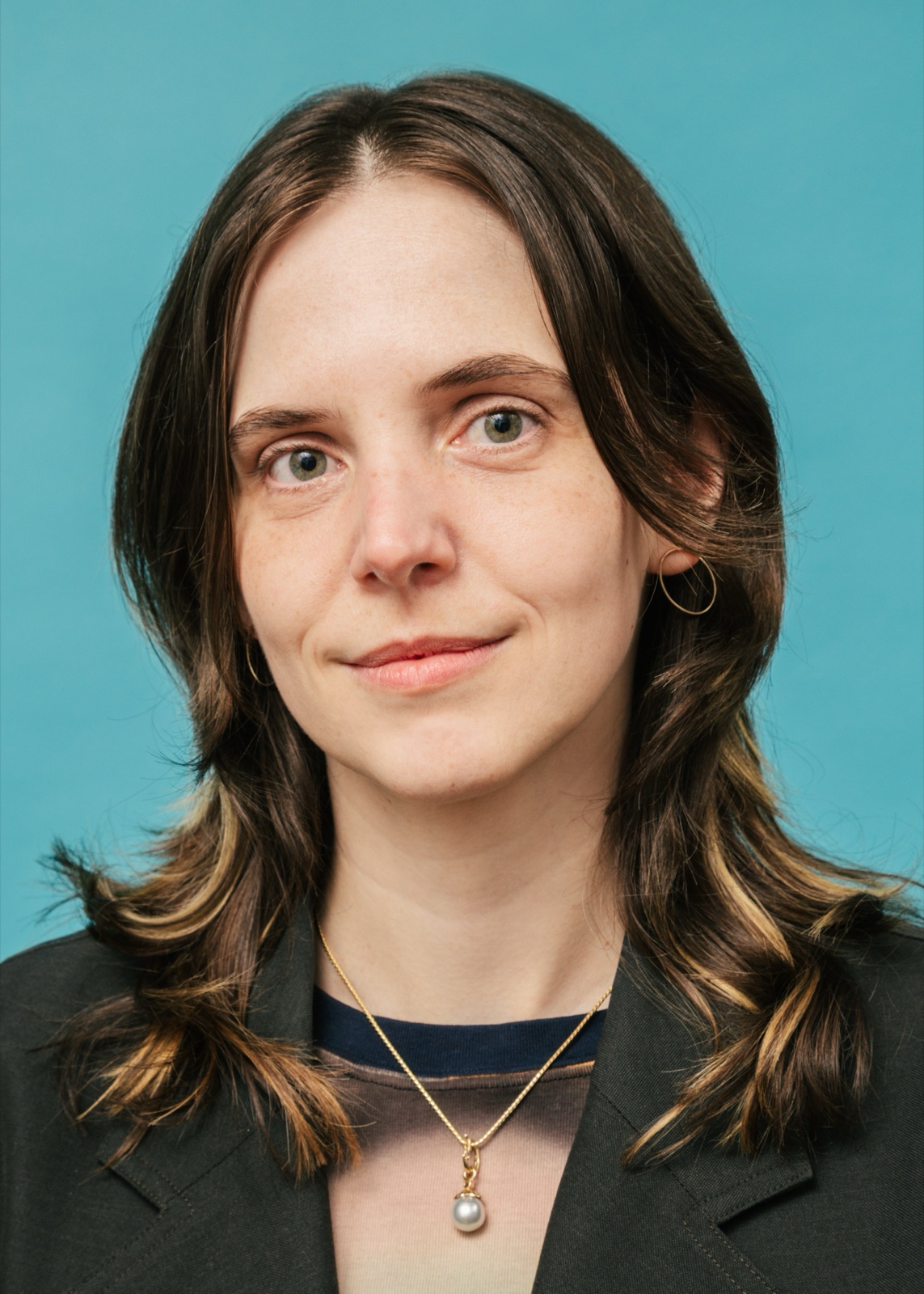
[Left] Michael Connor. Photo by Christine Rivera, courtesy Rhizome. [Right] Katherine Frazer. Photo by Eric Helgas.
Katherine Frazer: That makes sense to me. I think tech is a boom-bust cycle and Rhizome has been a steady hand to represent the last thirty years of digital culture.
Michael Connor: I like to think of Rhizome as a memory institution for digital culture. We aim to sustain access to digital culture over the long term. That requires swimming against the current of technological "progress."
The software and computer industry, the internet platform economy, all of it is designed to provide ephemeral, short-term access that is quickly obsoleted by technological changes. So, if you want to have a persistent digital cultural footprint over time, you need to work against that. Part of our practice is doing the research that allows for ongoing access to digital culture, like solving problems around server containerization, software emulation, knowledge management, and dynamic web archiving. Those are four areas we've spent a lot of time and energy working on.
A second point is that archiving digital culture requires specialized knowledge of the cultures being archived — I think of this as a worm's-eye view. What that means for us is that our goal is not to be the comprehensive encyclopedia of digital art, but to be an important point of connection and resource for memory institutions working in this space where we share resources, provide infrastructure, and collaborate on programs that involve more of a close-up view of a particular area. Digital culture is mass culture, but any given aspect of it really does require an embedded perspective.
Then, there's the question of what we archive, which to some degree reflects our particular journey in history, as an international but New York-based arts organization. We have a real focus on internet art, which we explored through our Net Art Anthology initiative — an online exhibition, book, and touring exhibition that gathered exemplary works of online art.
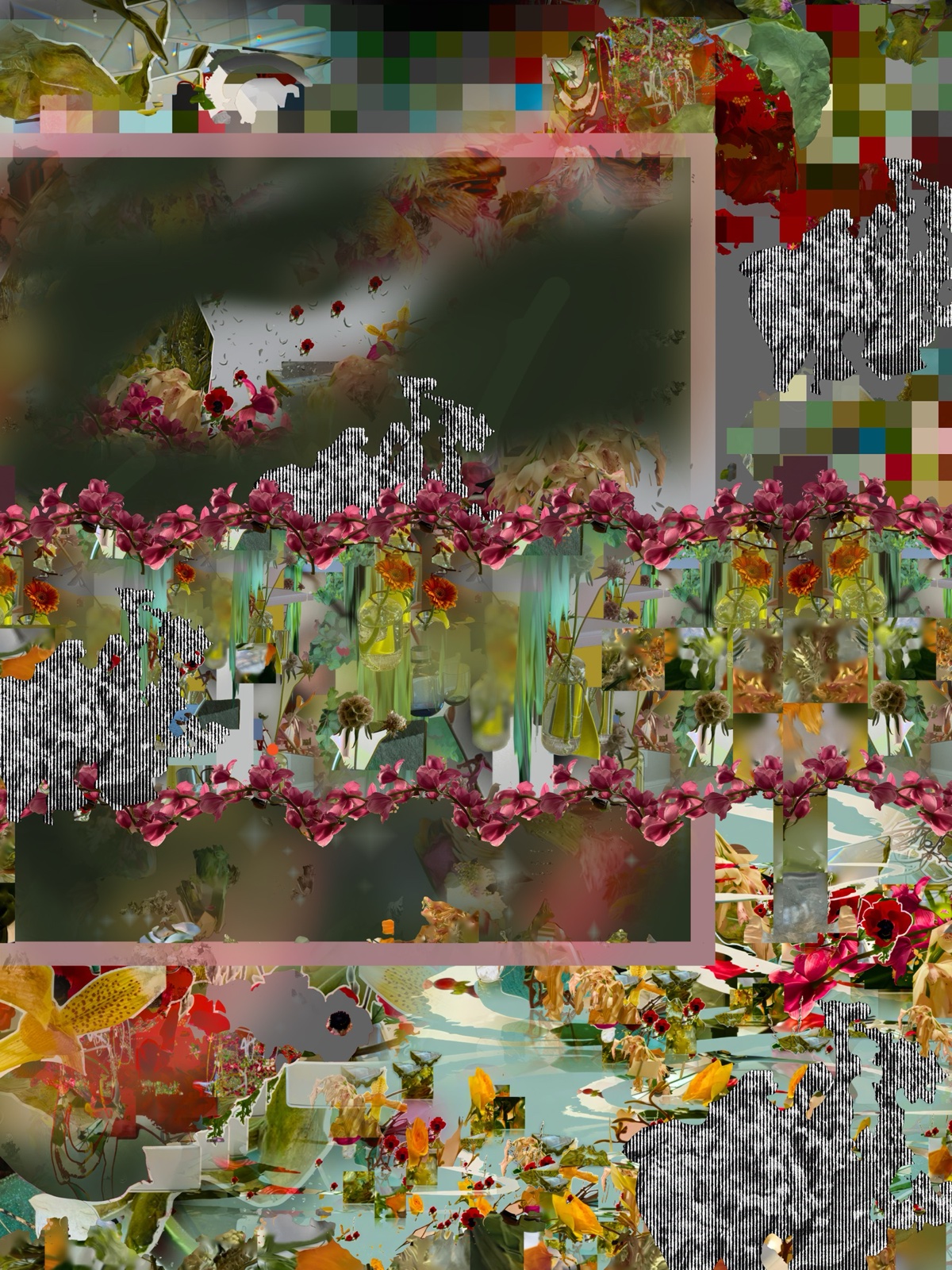
Katherine Frazer: Technology plays a role in literally everything that we do, whether or not you're interested in net art. The way Rhizome has preserved pieces across several digital contexts, including their interactivity, is very interesting. How do you feel about this relationship of being intertwined with these consumer products, whether it's Instagram or an app someone else built?
Michael Connor: We have a term that we use to help navigate this intertwined aspect of our work: the "object boundary." When you're exhibiting or preserving a digital work, you have to consider what is part of the artwork, and what isn't. In so many cases in digital culture, that boundary might be drawn in a way that includes entire software programs. While we're archiving the work, we are just as much actually trying to archive the software that is used to access it.
Once you're archiving a key piece of widely used software, you can open up whole classes of artworks for preservation.
Katherine Frazer: The organization does a lot of programming and events, providing important critique and commentary on digital culture today. I think about 7×7, the annual hackathon Rhizome hosts, pairing technologists with artists for a week to see what cool ideas they can come up with. In 2014, Kevin McCoy participated and made what's popularly described as the first NFT.
Michael Connor: I take pride in Rhizome's effort to engage with a changing digital world, and supporting artists that are finding new avenues through that. Two key programs, 7×7 and our microgrants, support experimental practices in different ways. Neither of those programs are multi-year, large-scale commissioning programs. They're much more about engagement, trying things out, and generating new perspectives and ideas. This lightweight approach allows us to respond to a changing world more dynamically.
Katherine Frazer: How is the organization dealing with divisiveness over AI?
Michael Connor: This year has really been a rapidly escalating conversation in our community around AI. We have been supporting critical perspectives on AI for a long time and will continue to do so, and we also see the necessity of understanding AI in practice, and the need to support artistic experimentation, inquiry, and literacy in this area. This puts us right in the middle of this debate, and it's part of our job to get different parts of our community out of their respective filter bubbles and camps and into conversation around the issues that AI raises.
Katherine Frazer: I wanted to pivot a little bit and go back to the history of Rhizome. Rhizome's an affiliate of the New Museum, and I was wondering what you think about that relationship.
Michael Connor: The New Museum has been Rhizome's partner since 2003. We've been based there since 2003. Our partnership is very organic. We host events at the museum and partner with NEW INC, the New Museum's incubator, on their art and code track. We work closely as part of the New Museum community.
The reopening of the building has now expanded the museum's exhibition capacity significantly, which creates more emphasis on that aspect of the museum. I'm very curious to see how we all learn to use this new building.
Now let me ask you a question. You recently joined our board in December 2025. How do you feel about being an artist on our board? You excited?
Katherine Frazer: I'm pretty new to it, so I'm still orienting myself. Selfishly, I'm excited to learn from others and add new dimensions to how I think about software and art through listening to others' perspectives.
Michael Connor: We're happy to have you. One of our key goals for this thirtieth year is to bring new energy and new perspectives in, and you joining was a good step in that direction. It's really helpful to have people that have a long-standing familiarity with Rhizome that are also tapped into different conversations that can help us navigate the next five years. You have that kind of deep knowledge of our community and also the perspective of working at an important tech company, and all of the sausage that gets made there, and then the perspective of working as an artist. I think that gives you both a practical outlook on what's happening in digital culture as well as a very grounded, embedded perspective in terms of what artists need from us.
Katherine Frazer: Aw, thank you. And thanks for taking the time to chat.