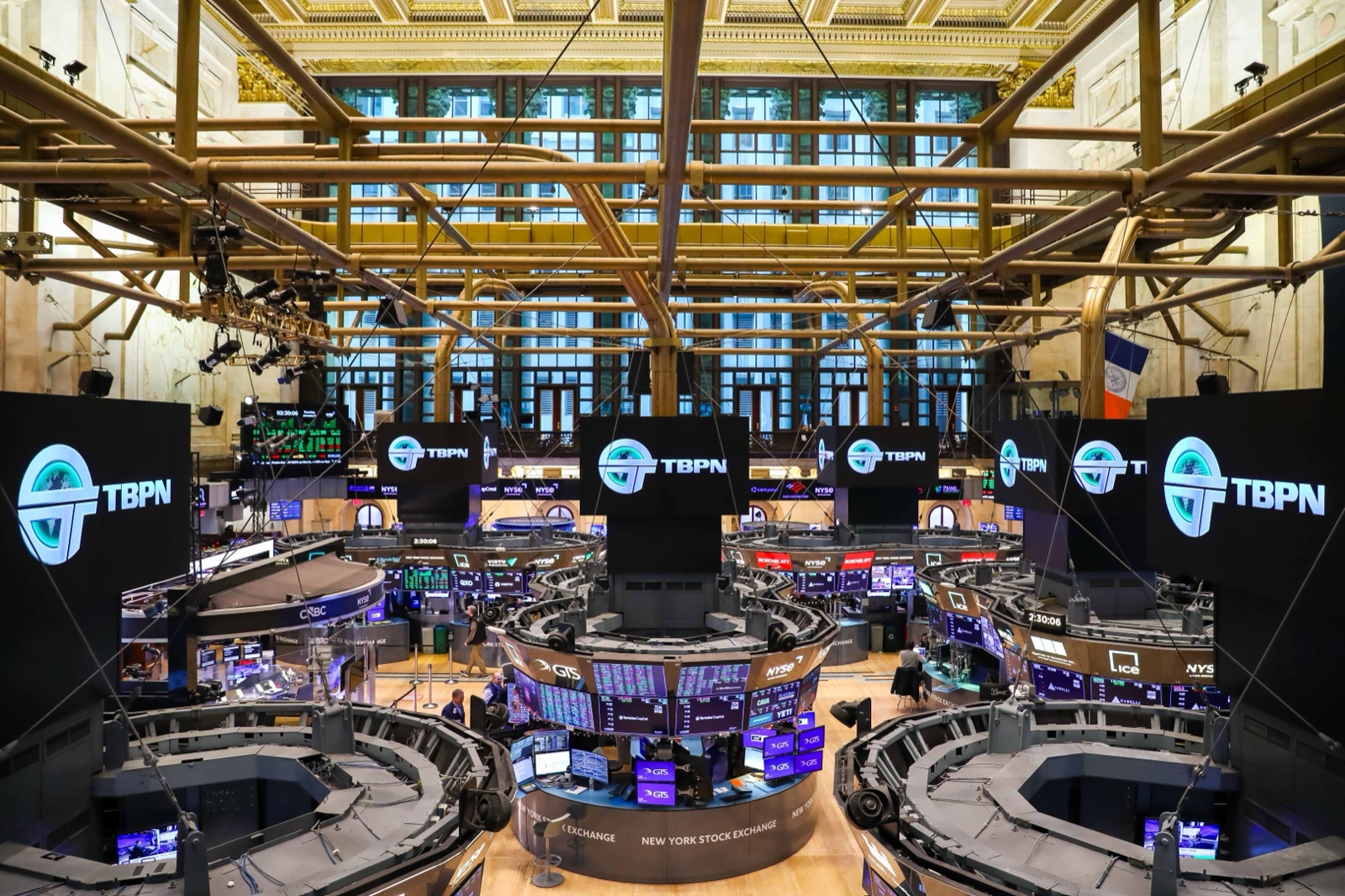
Maritza Lerman Yoes: Let's start by talking about your art collecting, which is something casual followers of the recent acquisition of TBPN by OpenAI may not be aware of. What do you think are the similarities and differences between the art world and the tech world, and how does knowledge transfer from one to the other?
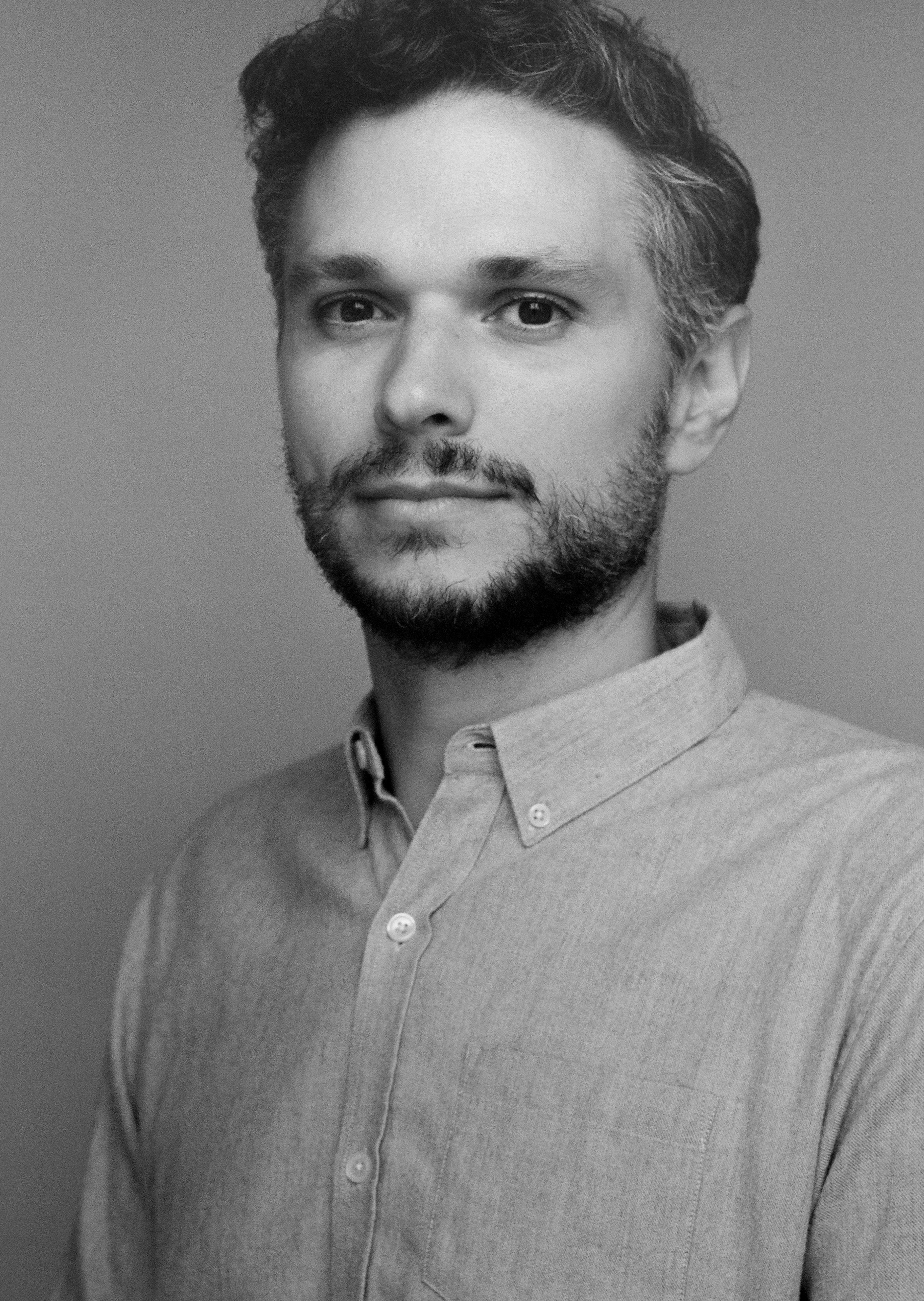
Dylan Abruscato: I truly never buy art as an investment, and I always advise anyone who asks, whether they're in tech or not, to just buy what they love. But it's impossible to ignore the similarities between collecting and supporting emerging artists and watching their careers grow, and angel investing in an early-stage founder and watching their company grow. Supporting an artist early, before they have any gallery representation, which is how we were able to build so much of our collection, is the equivalent of writing the first check to a founder at the idea stage. Participating in a group show is like an accelerator demo day. A solo show at an emerging gallery is like a seed check. And eventually, blue-chip galleries are raising from top-tier VC firms, with Gagosian or Hauser & Wirth representation being the equivalent of an Andreessen Horowitz or Sequoia Capital check. Once an artist or founder reaches that stage, the "allocation" for a work or a check only gets crazier. The main difference is that in tech, this mindset is commonplace, but if this way of thinking ever got in front of an artist you were trying to support, it would likely rub them the wrong way. That, and collecting what you love always pays off, but in tech, it wouldn't make sense to only invest in companies you love.
Maritza Lerman Yoes: I saw that recently our mutual friend Emily Sundberg asked you what painting you'd want hanging in your house, and you said an Anna Weyant still life with a birthday candle in a bowl of persimmons. [...] Who are some artists you're watching right now that we should all take a look at?
Dylan Abruscato: That's the one that got away. What Anna does so well are these finely detailed pieces, especially modern takes on classic masterworks, and that's very much the theme of the artists we're drawn to right now. I'm constantly blown away by the colored-pencil, Renaissance-esque works of Jean Nipon. Another is Saskia Colwell, who creates these chalk and charcoal drawings that look more like photographs of marble sculptures than works on paper. Both of their practices feel Old Master in technique, but the tone is very modern. There's an intimacy to the work, and often a sense of humor, similar to Anna's.
Maritza Lerman Yoes: As you know, Hauser & Wirth is opening in Palo Alto, a top-tier international gallery explicitly following tech money into Silicon Valley. What do you think this new interest in chasing tech audiences says about where the art and tech worlds are heading?
Dylan Abruscato: Unfortunately, this isn't new, just the latest attempt at bringing a blue-chip gallery to the Bay. Gagosian opened in SF nearly a decade ago, but closed its doors after only a few years because no one was showing up. I'm hopeful, though, that this time it's different and that there can be an art scene in the Bay again. The three things that make it exciting to me are: an increasing number of people moving to the Bay for the first time to chase the AI gold rush, which brings an influx of people who have lived in major art cities; the fact that the FOG Art Fair a few months ago was as crowded as I've ever seen it; and this idea that, as AI continues to accelerate all aspects of life, there will be a greater appreciation for art that is truly human-made, and these galleries can play an important role in highlighting those artists.
Maritza Lerman Yoes: On the topic of art, can we talk about what's happening in entertainment media right now? The Hollywood machine is in a strange transition and it feels like major tech and AI companies are starting to merge with those forces. Your acquisition by OpenAI could read as a nod to that. The idea that tech can be built in a silo, but used for mass adoption; however, it needs to become part of culture to scale.
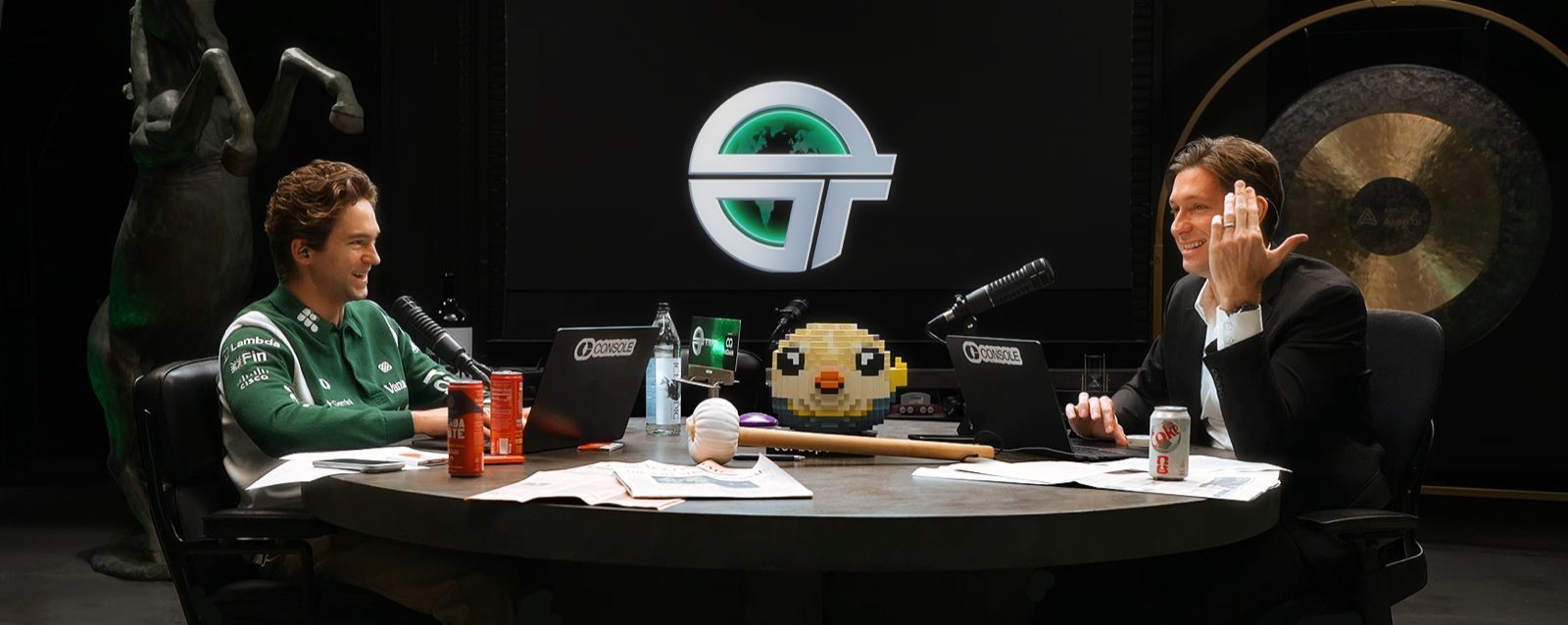
Dylan Abruscato: We're at a pivotal moment for AI, and how clearly it's communicated will define how it's adopted. People need to understand it, engage with it, and see how it fits into their lives. And that's what TBPN does so well. We take complex, technical ideas and turn them into real conversations that resonate with a broad audience. AI has to become part of culture to reach mass adoption.
Maritza Lerman Yoes: Katherine Boyle of a16z wrote after the OpenAI deal that audiences don't really care about editorial independence; they care about charisma, humor, and showing up. If she's right, what does that mean for old-school media?
Dylan Abruscato: We have nothing but respect for traditional media institutions. At no point did we ever see ourselves as competing with them. John and Jordi read The Wall Street Journal and Financial Times print editions cover to cover each morning, and that informs the content of the show that day. In fact, you might be surprised how many founders and publicists come to TBPN to break their company news, and we decline them every time. We're not journalists, and we've never pretended to be. The show is more of a commentary layer on top of the news cycle, not a competitor to the scoop economy. [...] Our job, and what John and Jordi discuss on air, is the context, analysis, debate, and conversation that happens after the fact, which is where their charisma and humor really shine.
Maritza Lerman Yoes: A lot of new tech media is launching right now trying to do what TBPN does. Do you see each new reporting entity as a "network" like in traditional media?
Dylan Abruscato: I personally think every new TBPN competitor is really just another show, and the internet is the "network." Similar to how you browse streaming services for your favorite reality competition, scripted show, or news program, you can now simply scroll X or follow specific new-media companies to find the right internet show for you.
Maritza Lerman Yoes: Having recently moved to SF, I've witnessed how TBPN has become integral not just to the business of tech and Silicon Valley, but also to the social fabric. Instead of having to seek out people, it seems they're now clawing to get on the show. When did you notice that shift?
Dylan Abruscato: I personally noticed that shift after Mark Zuckerberg came on the show. Up until that point, we had booked a ton of tier-one guests, from Mark Cuban and Marc Andreessen to Dylan Field and Vlad Tenev, but Zuck was the first of the Mag 7 CEOs to come on and really set the tone for others to follow. Since then, we've had Satya Nadella, Sam Altman, Kevin Hart, Sara Foster, and Travis Kalanick, who chose TBPN for his first media appearance in eight years, announcing his new startup exclusively on the show. [...] We're happy to have household names on, but our bread and butter is still earlier-stage founders and investors, talking about their latest fundraise or the YC demo day pitch they just gave. Of the more than 1,500 people who sit down with John and Jordi each year, we hope most of our audience is hearing about them, and what they're building, for the first time on TBPN.
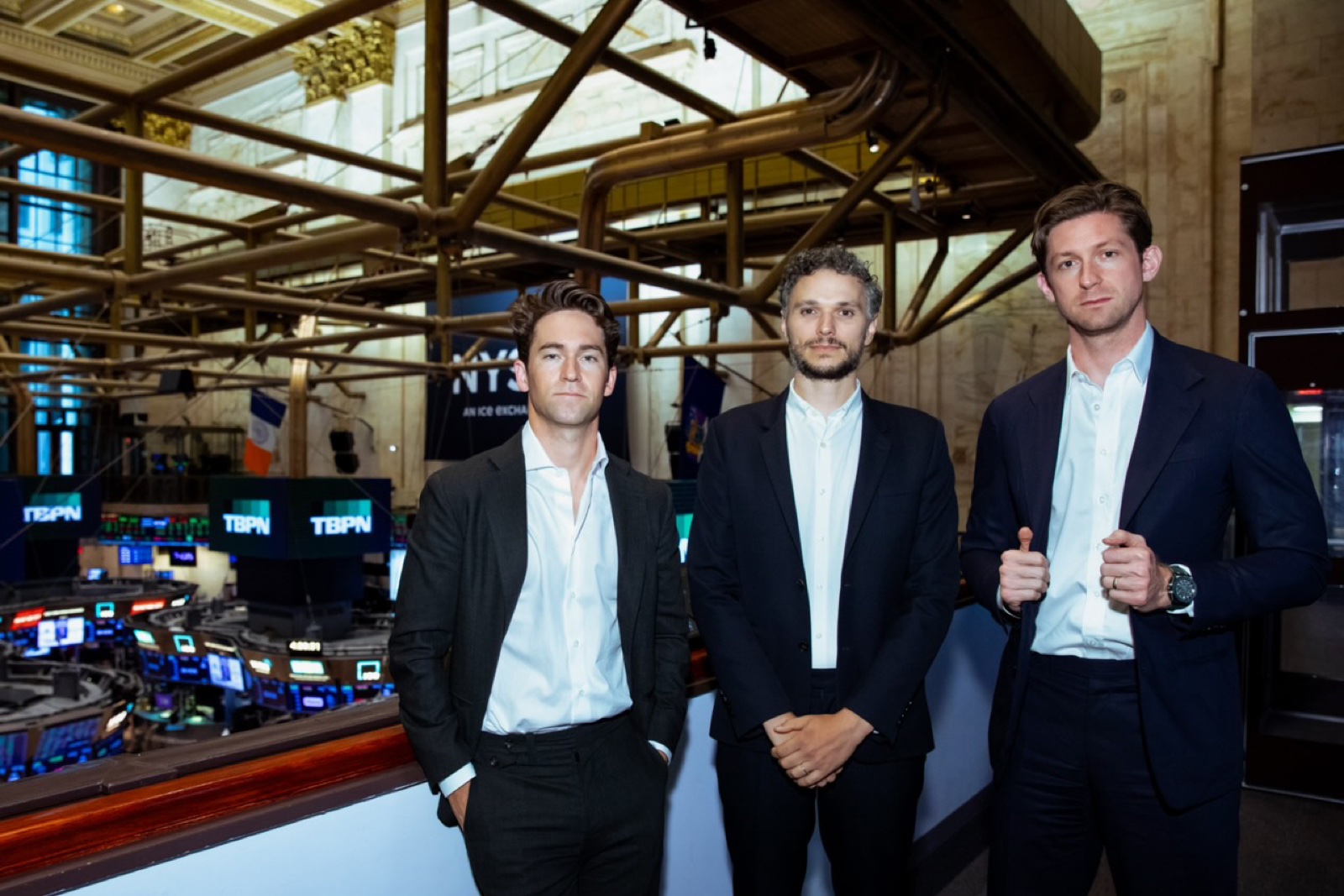
Maritza Lerman Yoes: You did a great interview with Emily Sundberg for Feed Me when the acquisition was announced. She's writing the newsletter people in tech actually read at 9am, and you're hosting the show they watch at 11am. Two different formats, same cultural role. [...] Who else do you think is doing it right?
Dylan Abruscato: Emily and I compare notes all the time. She's a great friend and frequent collaborator. I mentioned this in my conversation with Emily, but I'm also an avid reader of Rachel Karten's Link in Bio, Julia Black's A Billion to One, and Natalie Jarvey's Like & Subscribe. Rachel does a great job covering the industry from a social media perspective. Julia is an incredible writer and makes tech profiles read like screenplays, whether they're comedies or thrillers. And Natalie, along with Dylan Byers and Julia Alexander of Puck, are among the best in the world at covering the business of show business.