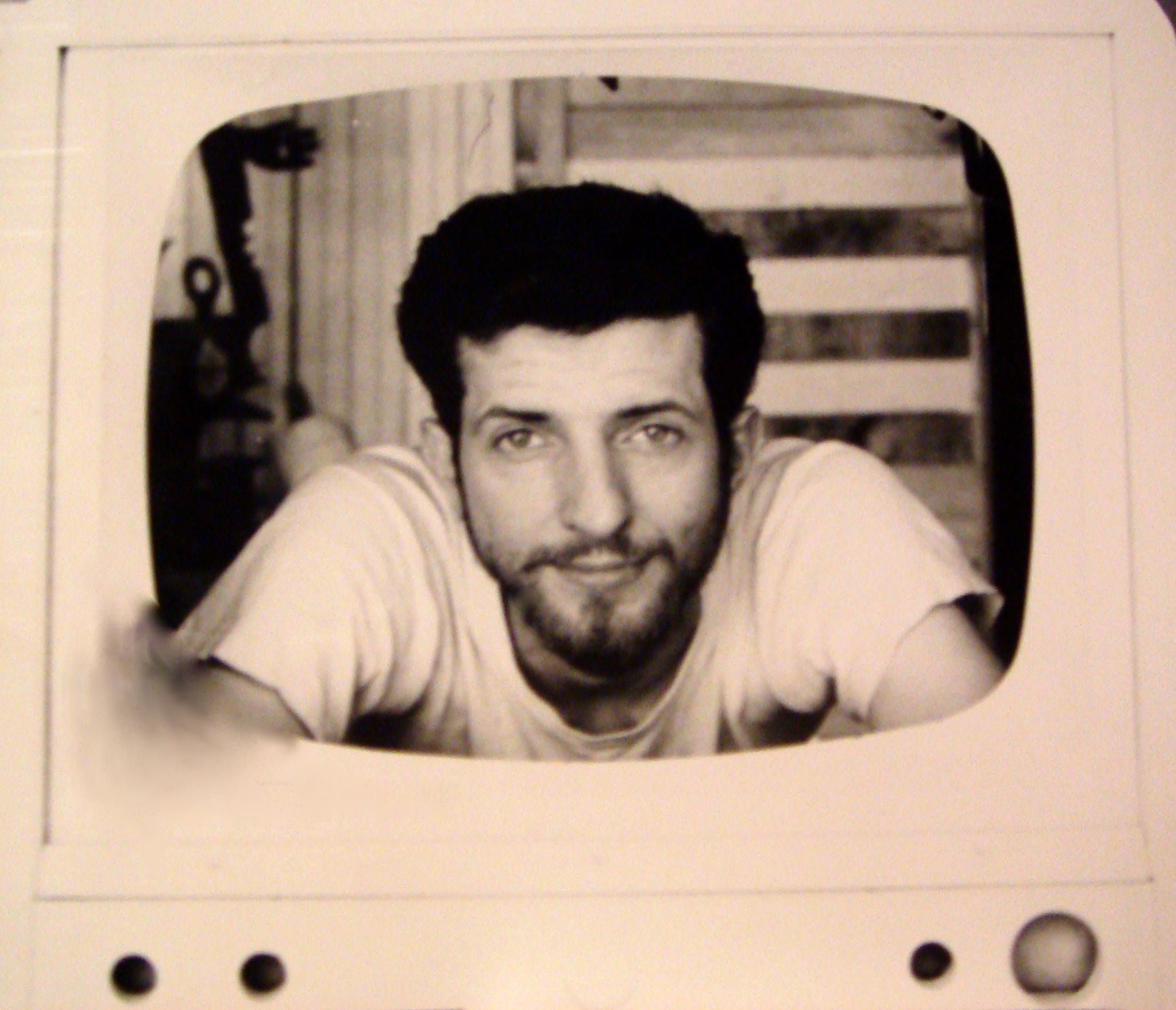
AC: How would you describe California art from when you first arrived in San Francisco? How has it changed, evolved, or devolved? Who were some of the artists you were aware of?
TM: In the '50s, figurative artists David Park, Richard Diebenkorn, and Elmer Bischoff were the three I knew about, the most recognized. Usually in any art movement there are six artists who are the main artists — who showed us a new way of seeing. In 1962, Artforum magazine started in San Francisco; it only lasted a couple years here, and then it moved to Los Angeles because of the Light and Space movement. About that time, Wanda Hansen and Diana Fuller started a gallery and showed the new Funk artists. In 1961, the Batman Gallery opened in SF, and Bruce Conner had it painted all black for his show. Peter Selz came out from MoMA in New York and was the first director of the Berkeley Art Museum. He organized the Funk show and put the Bay Area on the US art map. Wally Hedrick, Bill Wiley, Joan Brown, Jay DeFeo, Manuel Neri, Bob Hudson, and Peter Voulkos, an artist who elevated ceramics from pottery to sculpture. Bruce Conner was a one-man art movement. The San Francisco art world supported the Funk artists, and SFMOMA bought their work and not from New York — no Pop, Minimal, or Conceptual art. We were provincial in the '60s. Later in the '80s, all the support went to New York.
AC: How have you changed in that time? How has the "California art scene" changed?
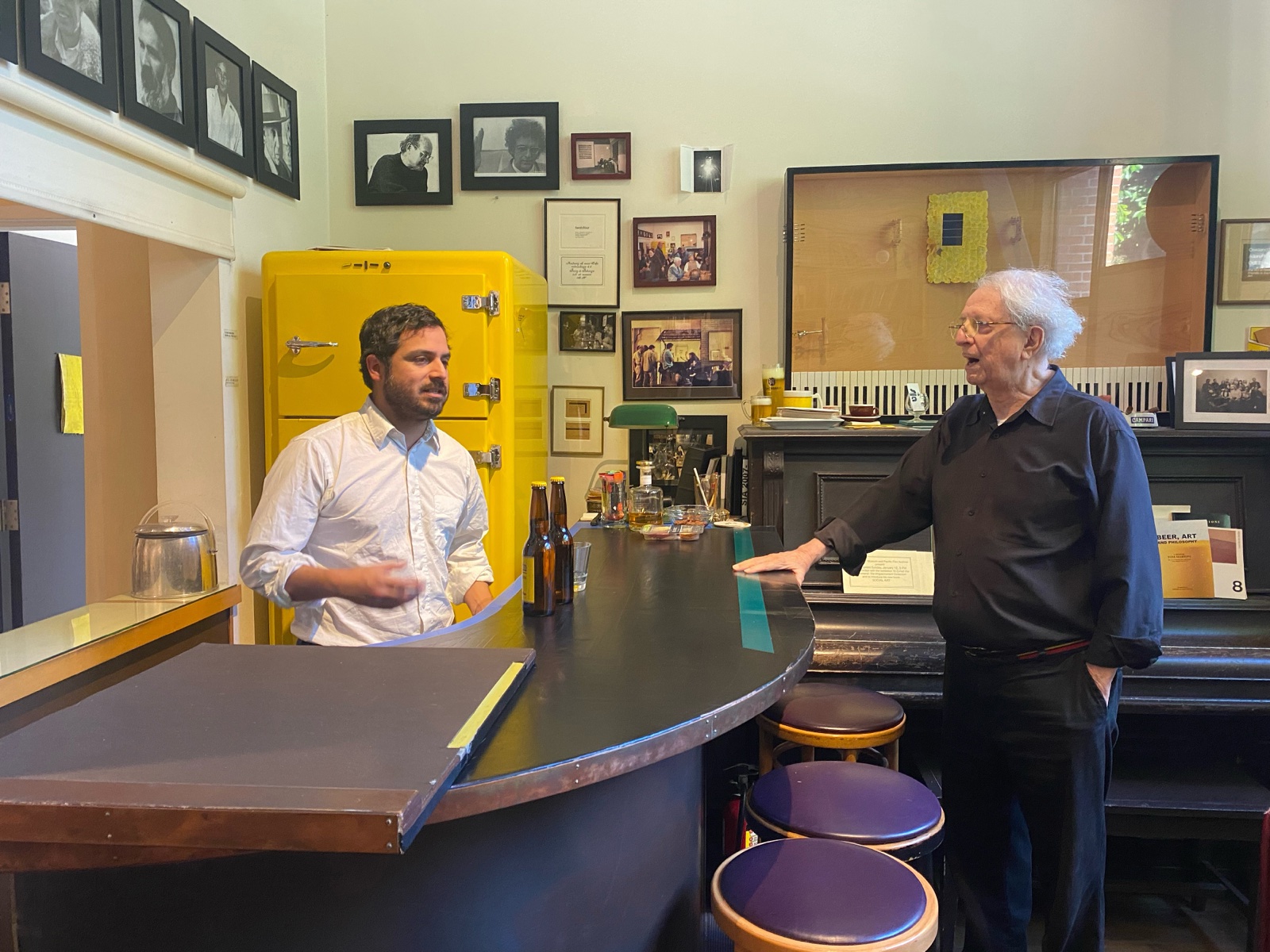
TM: I changed from an Op art painter and Minimal sculptor. In '68, I was curator of the Richmond Art Center in Richmond (1968–1971) and organized new art exhibitions that eventually got me fired. I founded the Museum of Conceptual Art in San Francisco (1970–1984), the first alternative art space in the US. I was known as a performance artist and a sound artist. I founded Vision magazine in 1975 and made five issues, '75 to '81. In the '80s, I made installations. In the '90s, I started working as a stand-up philosopher (jokes) and writing three books. Now I am known as an educator and Social Artist. Starting in 1970, I made an action and performance in the Oakland Museum, The Act of Drinking Beer with Friends Is the Highest Form of Art, and this exists today as the Society of Independent Artists, an artist club in my studio.
AC: How has the world changed? What do you think the future will be like in San Francisco/California/the world?
TM: The world is on its way to WWIII or contact with aliens from another planet who will save us from ourselves. Some museums in the US, and especially San Francisco's Museum of Modern Art, have become children's museums with exhibitions children can understand and social centers for family outings. There is no longer an avant-garde, and art is the same in most of the world because of the internet.
AC: Do you think artificial intelligence will ever be able to produce real art?
TM: AI will not ever make art because it has no emotion or compassion. Someday it will have a real live brain transplanted to a computer, and then it will make art. Right now it can only copy art.
AC: What constitutes real art?
TM: Art is anything done well, and by well I mean great, like corn on the cob cooked to the moment of perfection. Some people recognize art by the price tag.
AC: What constitutes an artist?
TM: An artist is anyone who declares he or she is an artist. Intent is what makes art or an artist.
AC: Do you have to be an artist to understand art?
TM: It helps to understand art if you are an artist. Everyone should do whatever they do as if they were an artist. Art critics understand art by reading about it, and examine it for composition.
AC: What is Conceptual art?
TM: For me, the official beginning of Conceptual art was in 1967 when Sol LeWitt wrote his manifesto called Paragraphs on Conceptual Art. Conceptual art followed Minimal art that followed Pop art. It has three branches: Language, System, and Action. Words are used to define art, instructions to make art, and actions that produce sounds or demonstrations of an activity. In other words, it's Idea art, not decorative craft, and not theatre or dance.
AC: Do you think all art is conceptual?
TM: Not all art is Conceptual art. Most people consider organized shapes and colors on a two-dimensional surface as art.
AC: Do you think all art is relational?
TM: Interesting art is relational. Relation to what? The Act of Drinking Beer with Friends Is the Highest Form of Art is considered a precursor to something called Relational Aesthetics, which was a term coined twenty years after I had already invented it. It's social art.
AC: Who is Marcel Duchamp?
TM: Marcel Duchamp is considered the father of Conceptual art. Duchamp threw aesthetics in our faces—as he himself lamented decades later, "I threw the bottle-rack and the urinal in their faces as a challenge and now they admire them for their aesthetic beauty." A hundred years on, they still do.
AC: If everyone thinks like an artist, is it important that they make art?
TM: If people do what they do as though they are an artist, they can make art. It does not need to be made with traditional artists' materials.
AC: When an art movement happens, like Abstract Expressionism for example, can it ever be repeated again? When does it begin and when does it end? Who decides this?
TM: When an art movement repeats, it's called Neo-___, etc. Usually an art movement is a decade long, as Pop art in the '60s was, Conceptual art in the '70s, etc. Pop art defined the commercialism of the '60s and became art about money.
AC: If someone has an idea, but doesn't tell anyone about the idea, can it still be art?
TM: Lawrence Weiner proposed an artwork, and that was the art. Robert Barry, with a wall label, described FM radio waves across a room overhead as the art. It's called language art and invisible art.
AC: Why is the act of drinking beer with friends the highest form of art?
TM: The Act of Drinking Beer with Friends Is the Highest Form of Art because it's all about the moment and never will be dated. It's about communication, and the beer is an aid to it.
AC: What separates the art (idea) from the art (object)? Are they the same thing?
TM: Conceptual art is Idea art.