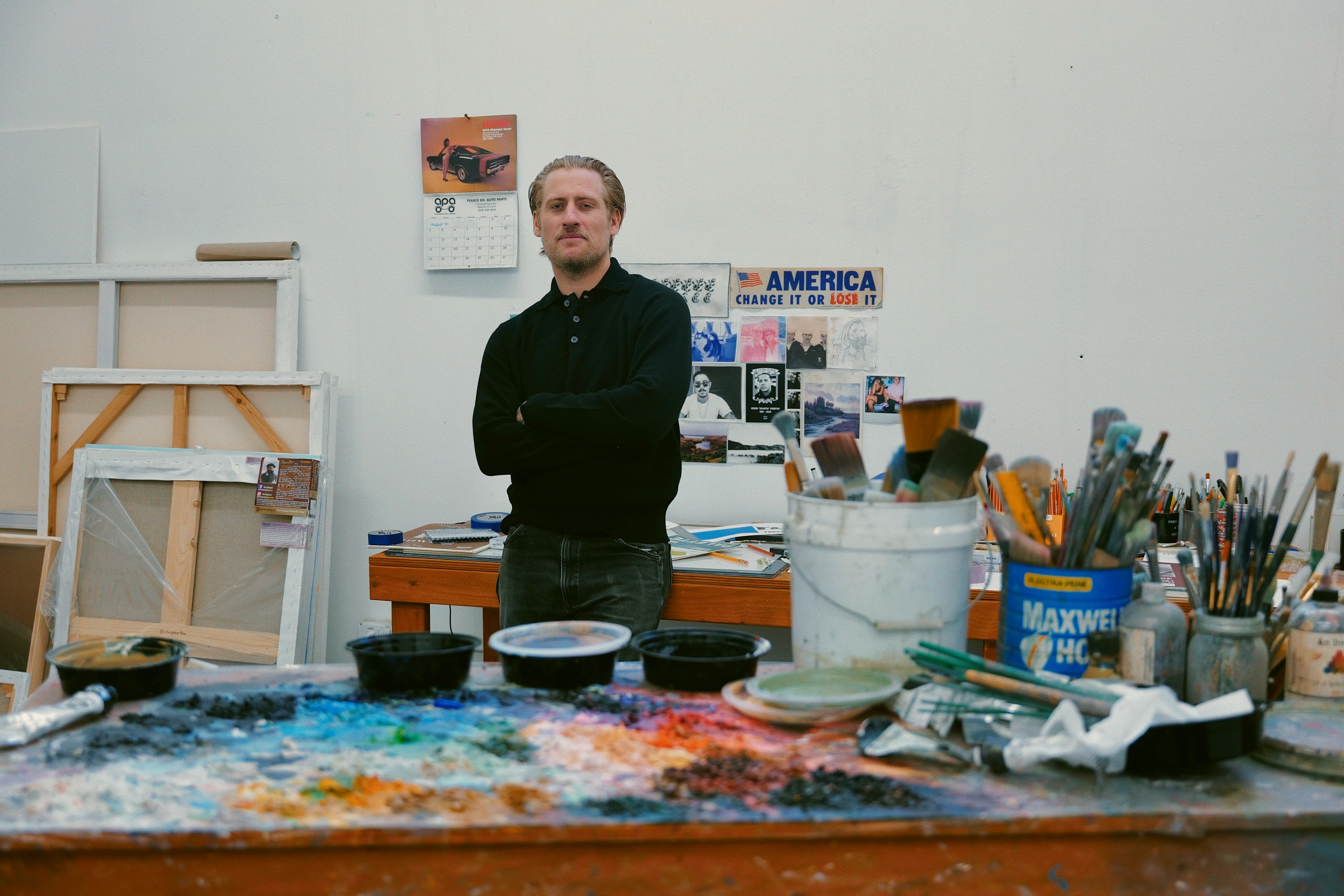
Matt Shuster: You and I got to know each other through books and collecting in general. What was the first thing you were obsessed with?
Matt McCormick: Probably the San Francisco Giants and baseball in general. I'm wearing the hat in a large majority of my baby pictures — and still wear it to this day. What came along with that early fascination was card and memorabilia collecting, studying the stats, and just a nonstop need and desire to learn as much as I could about the history and the current day. The parallels to how I approach my current obsessions and the others along the way are pretty apparent. I really am still that kid that was hanging in the Card Barn soaking up as much information as I could. The feeling is the same for me — having a small piece is a way to hold some of the energy of the thing itself.
Matt Shuster: Books have become such a big part of your practice. What was the first book that made you want to start making your own? And what was the first one you actually made?
Matt McCormick: When I moved to New York around twenty, I started meeting people who were already deep in the things I was circling, which really fast-tracked dialogues around art that I had never really had the right outlet for before. With that came an exchange with those new friends that involved books and more printed matter. A close friend of mine was working at Gagosian and he had a pretty lax ability to give me books every time I stopped by the gallery. Having access to these — what I would consider — works of art became such a formal part of my art education as well as my beginning stages of book collecting. That's where I first got serious about the self-published stuff — Prince, Ruscha, the people who treated books as primary work rather than documentation. That continued until I moved to Los Angeles where I became immersed in another scene of people making zines and more subculture related publications. Somewhere in there I just took the stance that I could do it as well. I started making a few different zines, and then around 2014 I had made a full series of drawings that seemed worthy of printing. Those became It's Something Hard to Find.
Matt Shuster: Was there a moment where making something, book or otherwise, shifted from interest into something you felt committed to?
Matt McCormick: It was something I was committed to as long as I can remember, but there was definitely a moment where it being a career became the focus. I got offered a salaried job after years of scraping by doing everything from cleaning old boats to bartending, and I had started making a little money from what I was making and I had to wrestle with the seemingly secure option of an actual salary or continue on the path of making my own work. To this day, I've never had a salary. Best decision I ever made.

Matt Shuster: What role does collecting still play for you now? Does it feel separate from making, or part of the same impulse?
Matt McCormick: The idea of collecting in many ways intersects with my creative practice, and in some ways it diverts, but, if I'm honest, it all blends into one world. I collect objects that relate to what I talk about in the work, music that puts me where I need to be, and I collect books that help me learn how to make work. Within the practice I am always collecting images for use in the work or at the very least inspiration. If I want to get real abstract, it's experiences, memories, whatever stays with you.
Matt Shuster: Music has always felt adjacent to the way you think. What have you been listening to lately, and does it find its way into the work? Do you ever tie certain pieces to specific songs or periods of listening?
Matt McCormick: Music was the first art form I actually felt any real pride around. It took me years to feel the same confidence with art that I did and do with music. It dictated how I interacted with the world, how I dressed, who I hung around, my other interests. They all connected through music in some shape or form. That interest has broadened immensely over the years, but it is still such a formative part of every day for me. Today I listened to Void, the new Terror record that just came out — Charlie Parker, DJ Shadow, and Allman Brothers. All the titles of my work are usually made up of pieced together words or phrases from music that I'm listening to while making the works.
Matt Shuster: When you're starting something new, what tends to lead: an image, a feeling, a reference, or something harder to pin down?
Matt McCormick: I'm usually chasing a feeling, but sometimes I'll see an image or an object and know I have to use it, and the rest builds around that. I look at the whole practice as one ongoing scrapbook, so everything I'm making is in conversation with everything else I've made.
Matt Shuster: Your work often carries a strong sense of atmosphere and pulls from very specific source material without feeling purely referential. Are those things you're consciously building, or do they emerge on their own?
Matt McCormick: Depends on what I'm making. For a show, I go into the space, register a feeling, and then work backwards figuring out what needs to be in it. Individual works are the same. There's a starting point, sometimes as small as a color, and the rest builds off that.
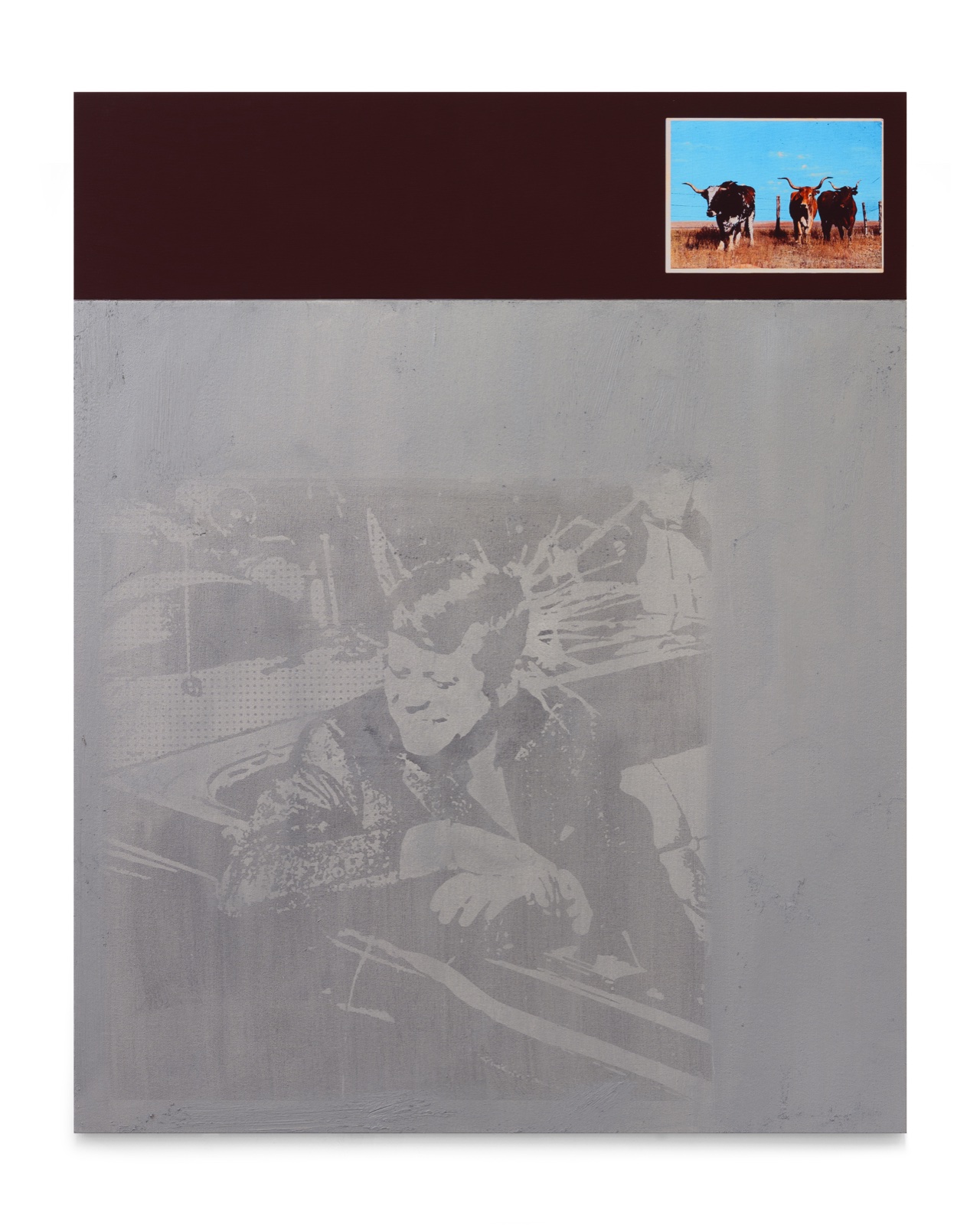
Matt Shuster: When something moves from a book or artwork into another form, especially clothing, what do you feel translates. And what doesn't?
Matt McCormick: To me it's world-building, similar to the idea of the scrapbook. It's all pieces to this bigger narrative I'm trying to create, and the longer I go, the more expansive it gets. So it doesn't necessarily have to translate super literally as long as whoever is interacting with it can have an experience with it. It's not really necessary that everyone feels what I feel or think about the work. I just want them to feel something, whatever it is. With the more commercial pieces like the clothes or other objects, I personally view them as ephemera or other languages to the rest of the practice.
Matt Shuster: With One of These Days (OTD), does it feel like a natural extension of your practice, or a different space altogether? What does it allow you to do that your studio work doesn't?
Matt McCormick: It allows me to communicate in a different way. More importantly to my current approach, it allows the ideas within my studio practice to run more freely. There was a time when I felt I needed to fit into certain boxes as an artist, and by letting that side of what I do flourish into its own world, the other sides of my practice have been given new space to breathe. What I'm allowed to do with OTD that I can't in the studio is put my work into places that it normally wouldn't show up.
Matt Shuster: When you look across everything you're making — books, objects, clothing — what feels like the common thread holding it all together?
Matt McCormick: The thread is that it's all one conversation. Books, paintings, clothes, the objects I collect: they're all entries in the same scrapbook. I'm not trying to arrive anywhere — I'm trying to keep the conversation going and see where it takes me.